Introduction
Whenever someone plans to buy their first bike, excitement and confusion come hand in hand. On one side, the mind considers a safe option—a simple 150cc or 350cc bike.
On the other side, the heart says, “Brother, let’s buy something powerful… a real machine!”
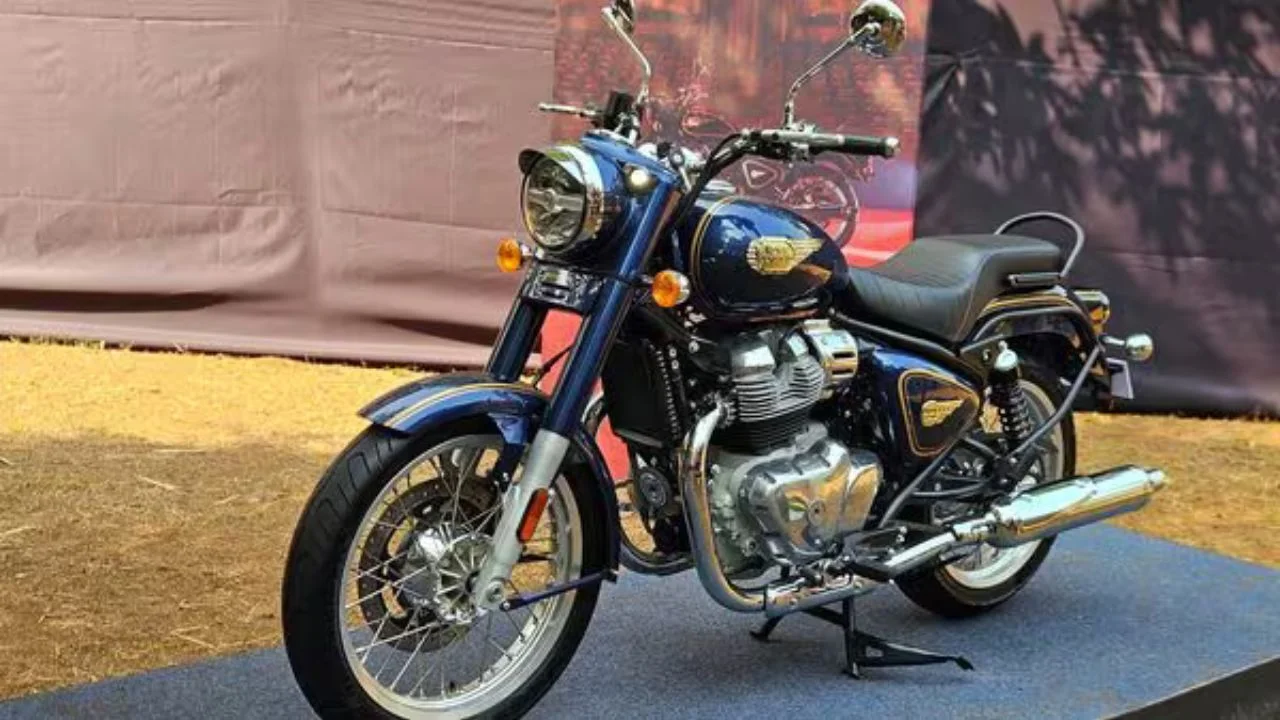
This is where Royal Enfield’s Bullet 650 enters. In India, the Bullet is not just a bike, it’s an emotion. Its road stance, its classic look, and its premium feel—everything is on a different level.
Now, when it comes to a 650cc twin-cylinder engine, beginners naturally have questions:
- Wouldn’t 650cc be too powerful for a first bike?
- Will a new rider be able to handle such a heavy bike?
- Or could it actually be a smart long-term choice?
These days, the trend is also changing. People used to start with small bikes and gradually upgrade.
But now, many beginners want to jump straight into the mid-weight segment so they don’t regret later, “I should have bought something a little more powerful.”
But, brother, it’s not right to make a decision based solely on power.
A first bike should have easy control, confidence, manageable weight, smooth power delivery, and pocket-friendly maintenance. If the bike is intimidating, it can diminish the riding experience.
Is the Royal Enfield Bullet 650 a good first bike for beginners ?
In this article, we’ll break down the following in an honest and practical way:
- Is the Bullet 650’s engine beginner-friendly or aggressive?
- How manageable is the weight and handling in real-world traffic?
- How much confidence does the safety and braking provide?
- Does the maintenance and mileage fit within a beginner’s budget?
- And most importantly—is it a sensible decision for a first bike?
Overview of the Royal Enfield Bullet 650
First, let’s get a clearer picture of what the Bullet 650 actually is and what category it falls into.
This motorcycle is based on Royal Enfield’s popular 650cc twin-cylinder platform—the same platform that’s already known for its smooth performance and strong highway capability.

The name Bullet holds a unique status in India. For decades, Bullet has come to mean a solid metal body, classic design, strong road presence, and a “royal” feel.
In the 650 version, the company has attempted to combine this legacy with modern engine technology.
Let’s now understand it in a practical way.
1. Engine & Performance
- Engine Type: 648cc parallel twin, air/oil-cooled
- Power Output: Around 47 PS
- Torque: Approximately 52 Nm
- Gearbox: 6-speed transmission with slipper clutch
Now, from a beginner’s perspective, this engine isn’t like an aggressive sports bike. Its power delivery is quite linear and predictable.
This means the bike won’t suddenly jump when you turn the throttle—it will accelerate smoothly.
On the highway, this engine feels relaxed and builds confidence when overtaking. But yes, it won’t feel as light as a 150cc or 200cc bike—it’s a proper mid-weight machine.
2. Weight & Build Quality
- Expected Weight: 210–220 kg range
- Frame: Steel tubular frame
- Fuel Tank Capacity: Around 13–15 liters
Brother, beginners will need to pay some attention here. Handling a 200+ kg bike at slow speeds can be a bit challenging—especially when in traffic or making a U-turn.
But its weight also offers an advantage—highway stability is tremendous. At high speeds, the bike feels planted and doesn’t feel like it’s swaying in the wind.
3. Seat Height & Ergonomics
- Seat Height: Around 800 mm (beginner-friendly range)
- Riding Posture: Upright, relaxed
- Handlebar Position: Comfortable reach
Seat height is moderate, manageable for average Indian riders. An upright riding posture reduces back pain and wrist strain on long rides.
This is a positive point for beginners, as an aggressive, sporty posture can sometimes be tiring.
4. Brakes & Safety
- Front & Rear Disc Brakes
- Dual-Channel ABS (standard)
Despite being a bike in the 650-horsepower segment, the braking system inspires a lot of confidence.
ABS reduces the risk of locking the wheels during emergency braking – an important safety feature for beginners.
What Makes a Bike Good for Beginners?
First, let’s clarify one important point—not every powerful bike is wrong for a beginner, and not every small cc bike is automatically perfect. When choosing your first bike, simply looking at the engine size isn’t enough.
A beginner-friendly motorcycle should have certain specific qualities that make riding safe, confidence-building, and stress-free. Let’s explain in simple terms.
1. Manageable Power Delivery (Smooth Throttle Response)
The most important thing for a beginner is predictable power.
- The bike should not make aggressive jumps as soon as the throttle is turned.
- Acceleration should be smooth and linear.
- Control should be easy at low RPMs.
A sudden and jerky power delivery can panic a new rider. Therefore, the engine of a beginner bike should be forgiving in nature—meaning the bike should not punish you if you make a mistake.
2. Lightweight & Easy Handling
Weight is directly linked to confidence.
- Light bikes are easy to handle at slow speeds.
- Maneuvering in traffic is simple.
- Taking U-turns is comfortable.
- Parking is less of a struggle.
If the bike weighs 200+ kg and the rider is completely new, slow-speed balance can be a bit challenging.
3. Comfortable Riding Posture
Beginners should not start with a sporty, aggressive riding position.
What is ideal posture?
- Upright sitting
- Handlebars easily within reach
- Feet comfortably touching the ground
- No unnecessary pressure on the back and wrists
Comfortable ergonomics naturally boost rider confidence.
4. Beginner-Friendly Clutch & Gearbox
The biggest struggles for new riders are:
- Bike stalling
- Clutch release timing incorrect
- Gear shifts not smooth
So a good beginner bike should have:
- Light clutch lever
- Smooth gear shifts
- Forgiving transmission system
A heavy clutch can make riding in traffic tiring.
5. Strong & Reliable Braking System
Safety first, brother.
- Disc brakes, preferably on both wheels
- Dual-channel ABS
- Stable braking feel
Panic braking is common in emergency situations. ABS prevents wheel lock, which is a huge advantage for beginners.
Maintenance & Cost of Ownership
Brother, honestly, for a beginner, buying a bike isn’t just important—maintaining it is equally crucial. Many people buy a 650cc bike out of excitement, but are later shocked by the running costs.

So if you’re seriously considering a Bullet 650 as your first bike, let’s break down its ownership costs in a practical way.
1. Service & Maintenance Cost
Royal Enfield’s 650cc twin-cylinder bikes generally fall in the premium service category.
Expected maintenance points:
- First service: Usually between 500–1000 km
- Regular service interval: Approx. 10,000 km
- Average service cost: ₹3,000–₹6,000 per service (depending on location)
Beginners need to understand that the 650cc engine:
- Consumes more engine oil
- Being a twin-cylinder, components are slightly more complex
- Labor charges may be slightly higher than the 350cc.
But on the positive side, Royal Enfield’s service network is quite extensive in India, so spare parts availability is generally not an issue.
2. Fuel Efficiency (Mileage Reality Check)
Now, the topic of mileage is very important for beginners. Have realistic expectations from the Bullet 650:
- City mileage: 20–23 km/l approximately
- Highway mileage: 23–27 km/l approximately
If you compare it to the 350cc, it’s obvious that fuel consumption will be higher. If your daily commute is 30–40 km, the monthly fuel cost will make a noticeable difference.
3. Insurance Cost
Insurance premiums are naturally slightly higher in the 650cc segment.
- Comprehensive insurance is approximately ₹18,000 – ₹25,000 annually (approximate range).
- Adding zero-debit will increase the premium further.
A zero-debit policy is a smart decision for beginners, as minor scratches or small falls are common in the starting phase.
4. Spare Parts & Wear Items
Normal wear and tear components:
- Brake pads
- Chain & sprocket
- Tires
650cc bike tires are wide and premium—replacing a set of tires can cost upwards of ₹10,000+, depending on the brand.
Chain maintenance also needs to be performed regularly. Neglecting it can lead to expensive replacements.
5. Overall Monthly Ownership Estimate (Rough Idea)
If you ride an average of 800–1000 km monthly, to:
- Fuel: ₹3,000 – ₹4,500 approx
- Maintenance reserve: ₹1,000+ (long term average)
- Insurance monthly breakdown: ₹1,500 – ₹2,000 approx
Roughly ₹6,000 – ₹8,000 monthly will be safe to keep ownership mindset.
Who Should Buy the Bullet 650 as a First Bike?
Now comes the most important part, brother The Bullet 650 won’t be perfect for every beginner—but for some specific types of new riders, it could actually be a smart first bike choice.
Let’s understand, in a clear and practical way, who can confidently make this their first motorcycle.
1. Mature Beginners (Mindset is more important than age)
Maturity matters more here than age.
If you:
- Are a calm rider
- Don’t have an over-speeding or showing-off mindset
- Have a responsible riding approach
- Then the 650cc engine can be manageable.
The Bullet 650’s power delivery isn’t like an aggressive sports bike—it’s smooth and predictable. Therefore, a mature beginner can comfortably learn it.
2. Those with some two-wheeler experience
If you:
- Have been riding a scooter
- Have basic experience with a 100cc–150cc bike
- Have an idea of traffic handling
So jumping straight to a 650cc won’t be that scary.
It may be a bit overwhelming for riders with completely zero experience, but for those with a basic understanding of clutch, balance, and road awareness—the learning curve will be manageable.
3. Taller Riders (Height Advantage)
The Bullet 650 falls in the 200+ kg weight category.
If you:
- Are 5’7″ or taller
- Finding ground reach comfortable
- Are able to control the bike from a standing position
Slow-speed handling becomes easier. Shorter riders may find it a bit challenging to control a heavy bike in reverse or while parking.
4. Those who want a long-term bike
Many beginners regret it after 1-2 years, saying “It would have been better if I had bought something a little more powerful.”
If you plan to:
- Not upgrade for 4-5 years
- Do highway touring
- Interested in long rides
- Then the Bullet 650 could be a long-term, satisfying option.
Its twin-cylinder engine provides a relaxed feel on the highway—something that can be missing from a 350cc bike.
5. Stable Income & Budget Comfort
In the 650cc segment:
- Fuel cost slightly higher
- Insurance premium higher
- Tires and maintenance in the premium category
If you are financially comfortable and monthly running costs don’t create tension, this bike will provide stress-free ownership.
After buying your first bike, feeling the pressure of fuel and maintenance every month can diminish the fun of riding.
Experts Guidance
Now, let’s put all the hype aside. No fanboy opinions, no unnecessary criticism. Here, we’ll make our final judgment based on practical riding experience, safety logic, and real-world ownership factors.

The question is simple: Is the Bullet 650 a smart first bike decision for a beginner?
1. Experience-Based Observation (Real Riding Perspective)
The behavior of mid-weight 650cc motorcycles is important to understand. Twin-cylinder engines—like Royal Enfield’s 650 platform—generally offer smooth and linear power delivery.
This means:
- No sudden power surge
- Controlled acceleration
- Stable cruising on the highway
- Low vibrations compared to single-cylinder engines
But there’s an important reality here:
- The engine is manageable
- The weight can be challenging for beginners
A 200+ kg motorcycle demands skill at slow speeds. If the rider isn’t confident in clutch-throttle balance, the starting phase can feel a bit intimidating.
2. Safety Analysis (Beginner Risk Factor)
From a safety perspective, the Bullet 650 has:
- Dual-channel ABS
- Disc brakes
- Stable chassis
- Predictable power band
These are all positive points for beginners. But beginner mistakes often include:
- Sudden braking
- Imbalance in tight U-turns
- Falling the bike while parking
- Panic throttle
Recovering a heavy motorcycle in these situations is more difficult than a light bike. Therefore, the learning curve can be steep for a completely zero-experience rider.
3. Ownership Stress Test
From an expert’s point of view, there’s another thing to consider—financial comfort.
If the ownership pressure of a 650cc motorcycle causes mental stress for the rider, it diminishes riding enjoyment.
A beginner should ideally:
- No fuel stress
- No service cost stress
- No emotional breakdown from minor scratches
If the budget is comfortable, this factor won’t be a problem.
4. Professional Recommendation
From an expert perspective, the honest recommendation would be:
If you’re completely new and haven’t developed clutch control, traffic awareness, and balance skills yet, it’s safer to start with the 350cc category.
If you’re a mature beginner, have some experience, and want a powerful bike long-term, making the Bullet 650 your first bike wouldn’t be a bad decision.
- This bike isn’t “too powerful.”
It’s important to understand the difference.
Conclusion
So, now that everything is clear—engine, weight, handling, safety, maintenance, budget—we’ve analyzed it from all angles. Now let’s give a simple and honest answer
Is the Royal Enfield Bullet 650 a good first bike for beginners?
Answer: It depends on you.
If you judged by engine size alone, 650cc might seem a bit intimidating. But in real life, the Bullet 650’s power delivery is smooth and predictable.
This isn’t a wild sports bike that spins out of control as soon as you turn the throttle. But one thing can’t be ignored—this is a heavy motorcycle.
A weight of 200+ kg demands skill at slow speeds. Parking, tight U-turns, traffic crawling—all these situations can be challenging for a beginner in the starting phase.
